
When was the last time you hunted for the "Save" button in your favorite editor? What icon were you looking for? Was it something like one of these?

That's right, the humble floppy disk. Of all the common iconography used in modern UIs, the floppy icon might be the most archaric. I haven't had a floppy disk drive in a computer since 1998. Yeah, a while ago.
To put it in another perspective: there are multiple generations of adults alive today who've likely never seen a physical floppy disk. To them, the icon of a floppy disk in their favorite editor is just as foreign as a rotary phone or dial-up modem.
So that begs the question: should we be using a different icon to identify a "save" button?
Magnets Ruled the Day
The history of storing bits and bytes goes back to the origins of computing. We've had data flowing through memory, processors, and networks - but how should data be persisted for later use?
Before "the cloud" (aka someone else's computer), before high-speed solid state drives, before spinning hard disks, before flash memory, magnetic storage ruled the day. Cassette tapes could store data if you were patient enough, but eventually purpose-built floppy disks appeared: spinning magnetic data storage wrapped up in a plastic shell. Easy to use, easy to transport, and cheap to manufacture.
For most of the 1980s and 1990s, data was readily stored and shared on floppy disks, especially the well-known 3.5-inch 1.44MB floppy disk:
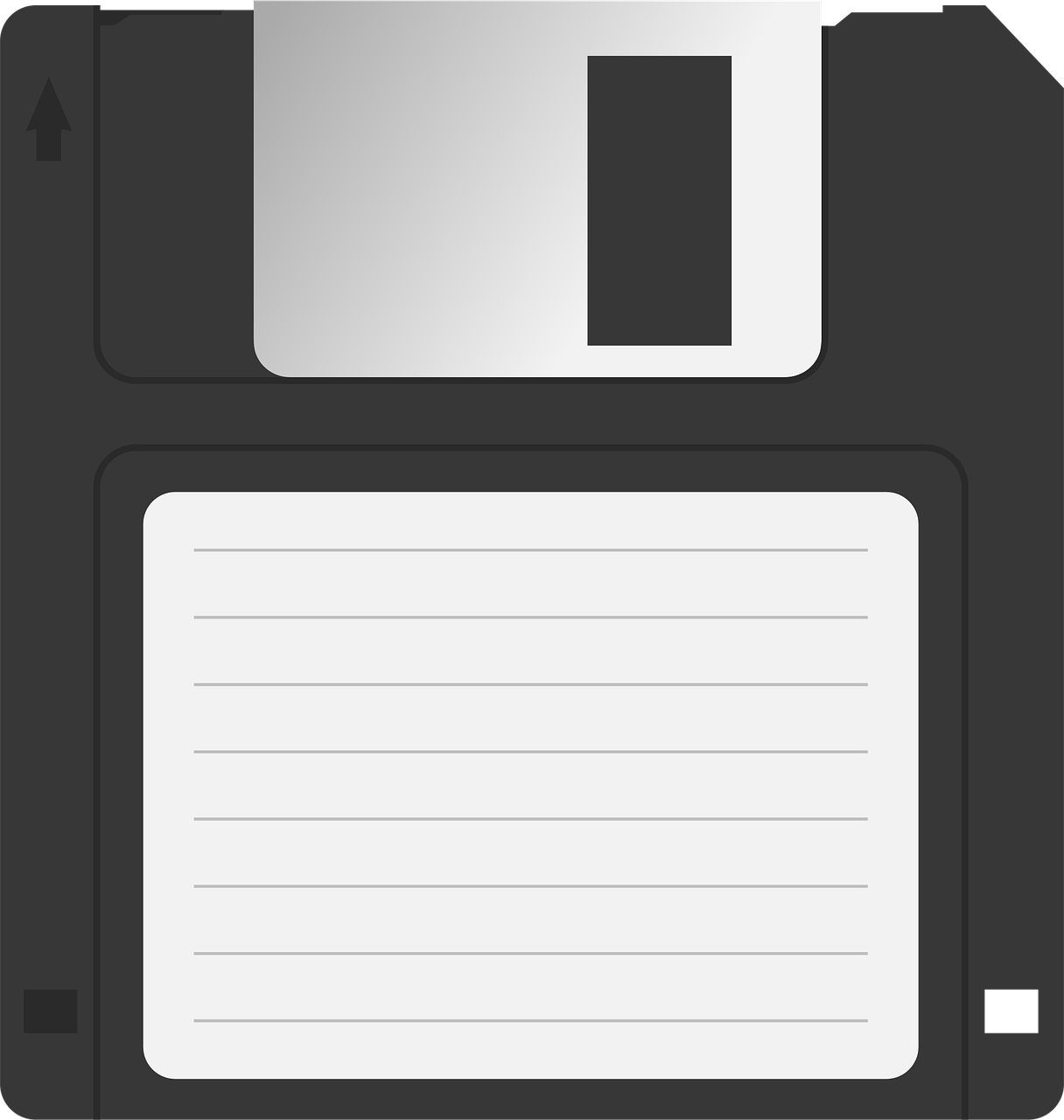
Even when hard disk drives became the norm for storage, floppy disks were still the best way to share files between computers, so they lived on well into the 1990s (and even into 2003, as my initial college computer science classes prefered floppy disks).
Of Disks and Clouds
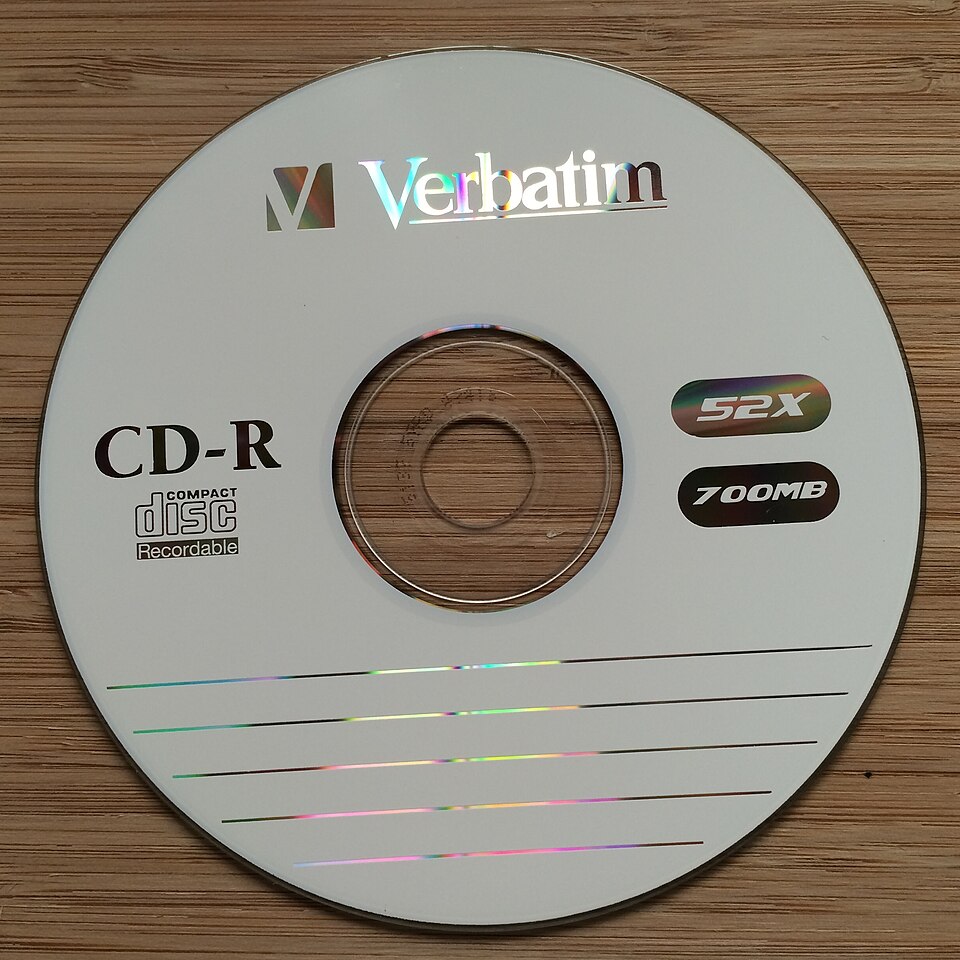
By the early 2000s, floppy disks were supplanted by other storage and sharing mediums. CD-Rs were commonplace (as was the familiar smell of Sharpie on the front half) and held more data (up to 700MB!):
Around the same time, USB memory sticks (with flash memory) appeared:
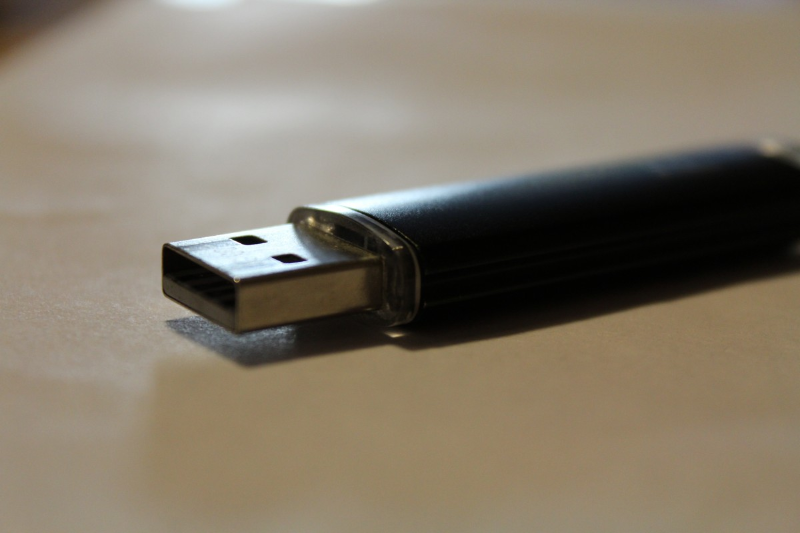
For a good long while, USB sticks seemed like the logical replacement for floppy disks: they were compact, convenient, durable, and were quickly growing in capacity. 128 MB sticks grew to 512 MB sticks that grew to 2 gigabyte sticks fairly quickly. Costs came down and USB ports were ubiquitous. Saving files was now split across two mediums: your computer's hard drive for safe storage and a USB stick for sharing across your college campus, office, or family.
The skies got a bit cloudy in the late 2000's, however, with online platforms offering to store and share files via the internet... and the rest is history.
Save Your File to the Cloud - With a Floppy Disk!
Today, online file storage is commonplace and baked into every major operating system. Saving a file today frequently means uploading it to OneDrive (née, SkyDrive), Google Drive, Dropbox, iCloud - you get the idea. Sometimes clicking that "save" icon with a floppy disk on it just starts an upload process, which might be quick (fiber!) or painfully slow (sorry, DSL). Either way, your file was saved in a place that you can access as long as you have an internet connection.
What Iconography Should We be Using?
I honestly don't know.
I grew up on computing in the 1990's and used floppy disks regularly, so I'm on board with the floppy disk icon. That said, I can appreciate the need for an updated concept - and one that is universal for anyone to understand.
There are some non-floppy disk alternatives out there:
Up to the Cloud

Let's send our file up to the cloud. But what if I want to save it locally? Is this a "save" action or an "upload" action?
Arrow into a Tray

Wait, haven't we been using this as a "download" icon for 20 years? This is not a save icon.
Disk and a Cloud

This could be a great transition concept between old and new, but it feels too much like an upload action - or maybe a "backup" action.
Sync

Am I saving something or am I syncing two systems together? I'm not sure and I don't like it.
History is Stubborn (and so is the present)
So why do most "save" buttons still use an icon of a floppy disk to represent a save action?
Probably because some designs become so intertwined with a concept and purpose that they outlive their original obvious meaning. That's the floppy disk today.
Thanks to fast SSDs, high-speed networking, and the concept of autosaving, the idea of manually clicking a button to save a file might be going away entirely.
But until that happens, the floppy disk icon is sticking around as a reliable way of saying "I want to save this file somewhere."
Free icons provided by: Flaticon, et al.